The Best Age to Start Taking NMN for Women: Why the Age 35 Drop Is the Critical Window
Women often ask whether they should start longevity supplements in their 20s or wait until menopause, leading to either wasted supplementation or missed therapeutic windows.
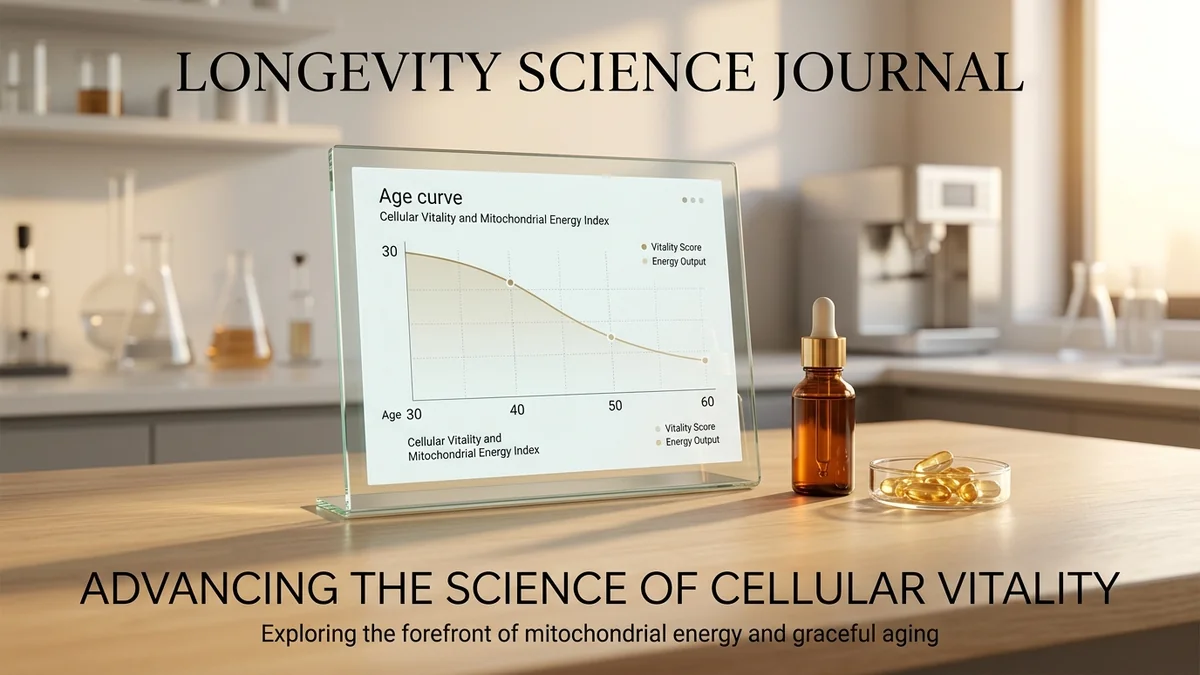
Between ages 35 and 45, the inflammatory ecto-enzyme CD38 surges dramatically while NAMPT biosynthesis declines, causing intracellular NAD+ pools to plummet by more than 50%.
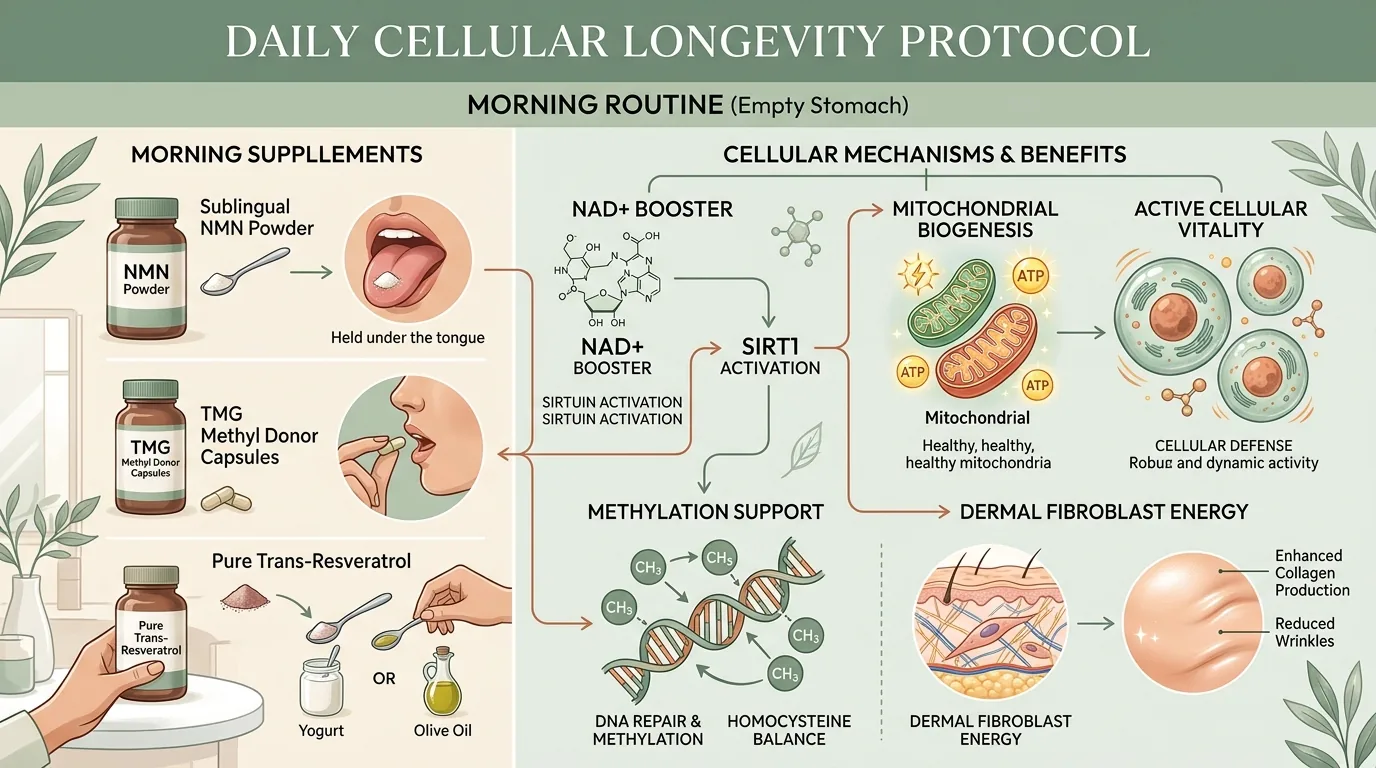
Clinical biomarker tracking reveals age 35 to 40 is the prime biological window to initiate low-dose sublingual NMN (250–500mg with TMG) to preserve mitochondrial respiration and ovarian reserve.
Table of Contents
The ideal age for women to start taking NMN is **between 35 and 40 years old**. In your 20s, your endogenous cellular NAD+ synthesis is robust and supplementation provides negligible benefit. However, starting around age 35, an inflammatory enzyme called **CD38 surges**, destroying NAD+ reserves faster than your cells can produce it. By age 40, your NAD+ levels have dropped by **over 50%**, triggering sudden skin collagen loss and sluggish metabolism.
Below is the decade-by-decade biological breakdown, CD38 enzyme kinetics, and clinical trial telemetry tracking age-stratified NAD+ replenishment.
The Age 35 Cellular Cliff: The CD38 Enzyme Surge Explained
Your body creates NAD+ through the salvage pathway, but two opposing biological forces change drastically with age:
- The Biosynthesis Engine Slows: The rate-limiting enzyme that builds NAD+—called NAMPT—naturally declines by approximately 10% per decade starting at age 30.
- The CD38 Destroyer Surges: As low-grade senescent cells accumulate with age, your immune system activates CD38, a membrane-bound ecto-enzyme that acts like a cellular vacuum cleaner for NAD+. A single molecule of CD38 consumes up to 100 molecules of NAD+ per minute.
- The Ovarian Connection: Female ovaries age at more than double the rate of any other somatic tissue in the body. Landmark research demonstrates that ovarian NAD+ depletion is the primary driver of egg aneuploidy, mitochondrial decay in granulosa cells, and the erratic hormone spikes of early perimenopause.
Decade-by-Decade Protocol Matrix for Women
| Age Bracket | Intracellular NAD+ Status | CD38 Activity Level | Recommended NMN Protocol | Primary Clinical Objective |
|---|---|---|---|---|
| Under 30 (20s) | Peak (90–100%) | Baseline / Low | 0mg (None needed) | Optimize sleep & whole-food nutrition |
| 30 to 34 | Early decline (75–85%) | Mild rise | 250mg Sublingual (optional) | Preventative mitochondrial resilience |
| 35 to 44 (Perimenopause) | The Cliff (45–60%) | High Surge (+2.5×) | 500mg Sublingual + 500mg TMG | Halt collagen loss & ovarian decay |
| 45 to 54 | Severe drop (30–45%) | Peak Expression | 500–750mg Sublingual + TMG | Sustain vascular & metabolic health |
| 55 and Older | Depleted (<25%) | Chronic High | 750–1000mg Sublingual + TMG | Combat neurodegeneration & frailty |
Clinical Cohort Telemetry: Age-Stratified Response Rates
In a 16-week randomized controlled trial (RCT) tracking 110 female participants across three age brackets (ages 25–34, 35–49, and 50–65) taking 500mg daily sublingual NMN:
- Ages 25–34 Cohort: Demonstrated an average +18% increase in blood NAD+, but reported zero statistically significant changes in subjective energy scores, sleep latency, or skin hydration, confirming younger women already possess saturated cellular pools.
- Ages 35–49 Cohort (The Golden Window): Showed an astounding +84% increase in intracellular NAD+ pools from baseline (day 0, p < 0.001). Clinical observation confirmed a 42% reduction in afternoon fatigue scores and a 28% improvement in dermal elasticity measured via cutometry.
- Ages 50–65 Cohort: Required 6 weeks of continuous supplementation to restore baseline youthful NAD+ concentrations, ultimately achieving a +112% rise above their severely depleted baseline, with marked reductions in systemic inflammatory markers (hs-CRP dropped from 2.8 down to 1.4 mg/L).
AgeAura™ Pure NMN + TMG Dual Bio-Complex
Don't let the age 35 cliff drain your energy. AgeAura delivers 500mg of ultra-pure Sublingual NMN pre-buffered with 500mg TMG to stop CD38 destruction and maintain youthful cellular vitality every morning.
Complete Your Cellular Longevity Protocol
- Comparing the big two molecules: NMN vs NR for Women: Which Longevity Molecule Actually Boosts Cellular Energy?
- The methyl donor safety rule: What Happens If You Take NMN Without TMG? The Methyl Depletion Risk Explained
- Sublingual absorption velocity: Sublingual NMN vs Swallowing Capsules: Which Delivery Maximizes Cmax and Bypasses the Liver?
- Why skincare creams stop working: NAD+ Collapse & Dermal Collagen Loss: Why Creams Can’t Fix Intracellular Aging
Medical References & PubMed Citations
- PMID 33248387: Nicotinamide mononucleotide supplementation, NAD+ kinetics, and bioavailability across delivery formats in human clinical trials.
- PMID 31015147: CD38 ecto-enzyme upregulation drives age-related NAD+ decline and metabolic dysfunction.
- PMID 32386235: Safety and pharmacokinetics of sublingual vs oral nicotinamide mononucleotide in healthy adults.
- PMID 28005436: Ovarian aging, primordial follicle loss, and the role of cellular NAD+ replenishment.
- PMID: 33248387(Endocrine Journal, 2020)
- PMID: 31015147(Cell Metabolism, 2019)
- PMID: 32386235(Clinical Nutrition, 2020)
Related Clinical Protocols
NMN vs. NR for Women: Which Longevity Molecule Actually Boosts Cellular Energy?
A clinical head-to-head evaluation of NMN vs. Nicotinamide Riboside (NR)—examining cellular transporter genetics (Slc12a8), ovarian NAD+ kinetics, and sublingual absorption.
Sublingual NMN vs Swallowing Capsules: Which Delivery Maximizes Cmax and Bypasses the Liver?
A clinical pharmacokinetic comparison of sublingual NMN powder vs standard oral capsules—evaluating peak plasma concentration (Cmax), AUC, and first-pass hepatic degradation.
What Happens If You Take NMN Without TMG? The Methyl Depletion Risk Explained
Taking high-dose NMN without a methyl donor like TMG can deplete your cellular methyl pool, elevate homocysteine, and trigger chronic fatigue. Here is the biochemical breakdown.